When you picture building a warehouse, you probably think about square footage, loading docks, ceiling height, storage, and getting the project finished on schedule.
You probably aren’t thinking, “How is this building going to handle the weather?”
But you should.
Where you build a warehouse can be just as important as what you build. Climate, soil conditions, local regulations, accessibility, and the surrounding environment can all influence how a warehouse should be designed and constructed.
Because you can’t simply build the same warehouse everywhere and expect Mother Nature to cooperate.
The Weather Gets a Vote
Your warehouse doesn’t get to call in sick when temperatures rise or a storm rolls through.
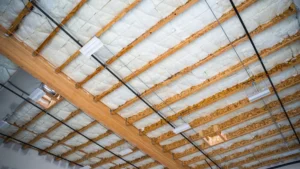
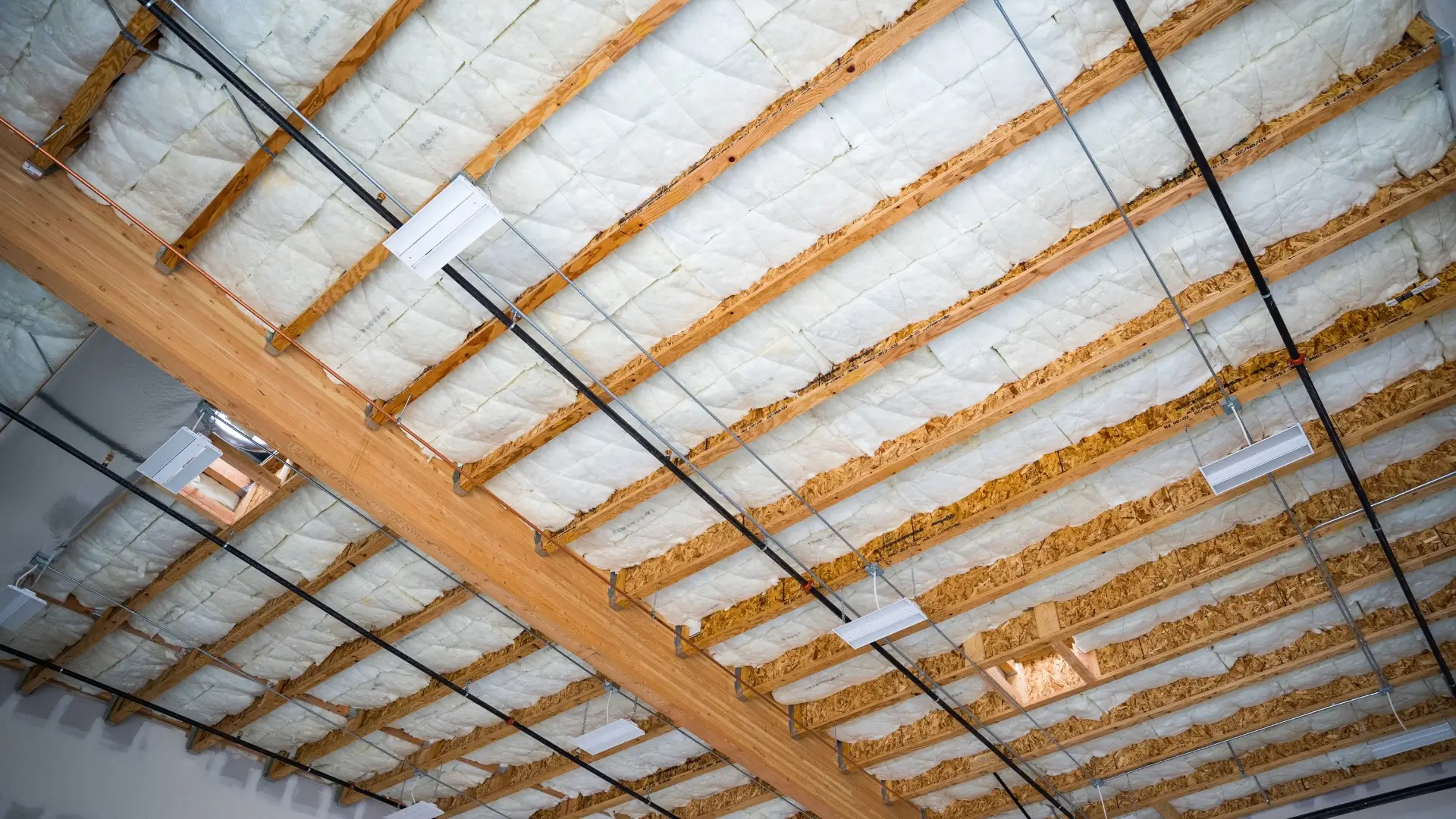
Climate should be considered when selecting roofing, insulation, windows, ventilation, and HVAC systems. In Southern California, managing heat and energy use can be an important part of warehouse design.
The right building materials and systems can help maintain comfortable interior temperatures, protect inventory, and reduce unnecessary energy costs.
In other words, good design can keep your warehouse from becoming an oven with loading docks.
Location Changes the Game
Two warehouse sites may look similar on paper, but their construction requirements can be very different.
Coastal locations may experience increased exposure to moisture and salt-laden air, which can contribute to corrosion. In Southern California, seismic requirements are another important consideration when designing the structural system.
Soil conditions, drainage, grading, and accessibility can also affect foundations and site work.
The location should influence the building, not the other way around.
Trucks Need Room to Breathe Too
A warehouse isn’t very useful if a delivery truck needs a 17-point turn just to reach the loading dock.
Site planning should consider truck circulation, loading areas, employee parking, entrances, exits, utilities, and traffic flow.
For manufacturing and distribution facilities, efficient movement around the property can have a direct impact on daily operations.
Good planning keeps people, products, and vehicles moving instead of turning the parking lot into an oversized game of Tetris.
Don’t Let Regulations Surprise You
Every city has its own zoning requirements, building codes, fire regulations, accessibility standards, and permitting processes.
In Orange County, requirements can vary from one city to another. Understanding them early can help prevent unexpected redesigns, delays, and additional costs.
Build for Today and Tomorrow
A warehouse is a long-term investment. Your business may grow, add equipment, increase production, or need additional storage.
Planning for future expansion, energy efficiency, and changing operational needs can make the facility easier to adapt down the road.
At Greater Pacific Construction, we believe successful warehouse construction starts with understanding the entire picture: the business, the site, the climate, and the future.
Because a warehouse should do more than simply exist at an address. It should work for the business inside it.
Planning a new warehouse or manufacturing facility in Orange County? Contact Greater Pacific Construction to discuss your project.
#WarehouseConstruction #ManufacturingConstruction #CommercialConstruction #CommercialGeneralContractor #OrangeCountyConstruction