Your business needs an upgrade, but shutting down for construction may not be practical. Customers still need to be served, employees still need a functional workplace, and daily operations cannot simply disappear because a renovation is underway.
The good news is that a commercial renovation does not always require a full business closure. With careful planning, realistic scheduling, clear communication, and an experienced contractor, many businesses can continue operating while improvements are completed.
1. Construction and Customers Can Coexist
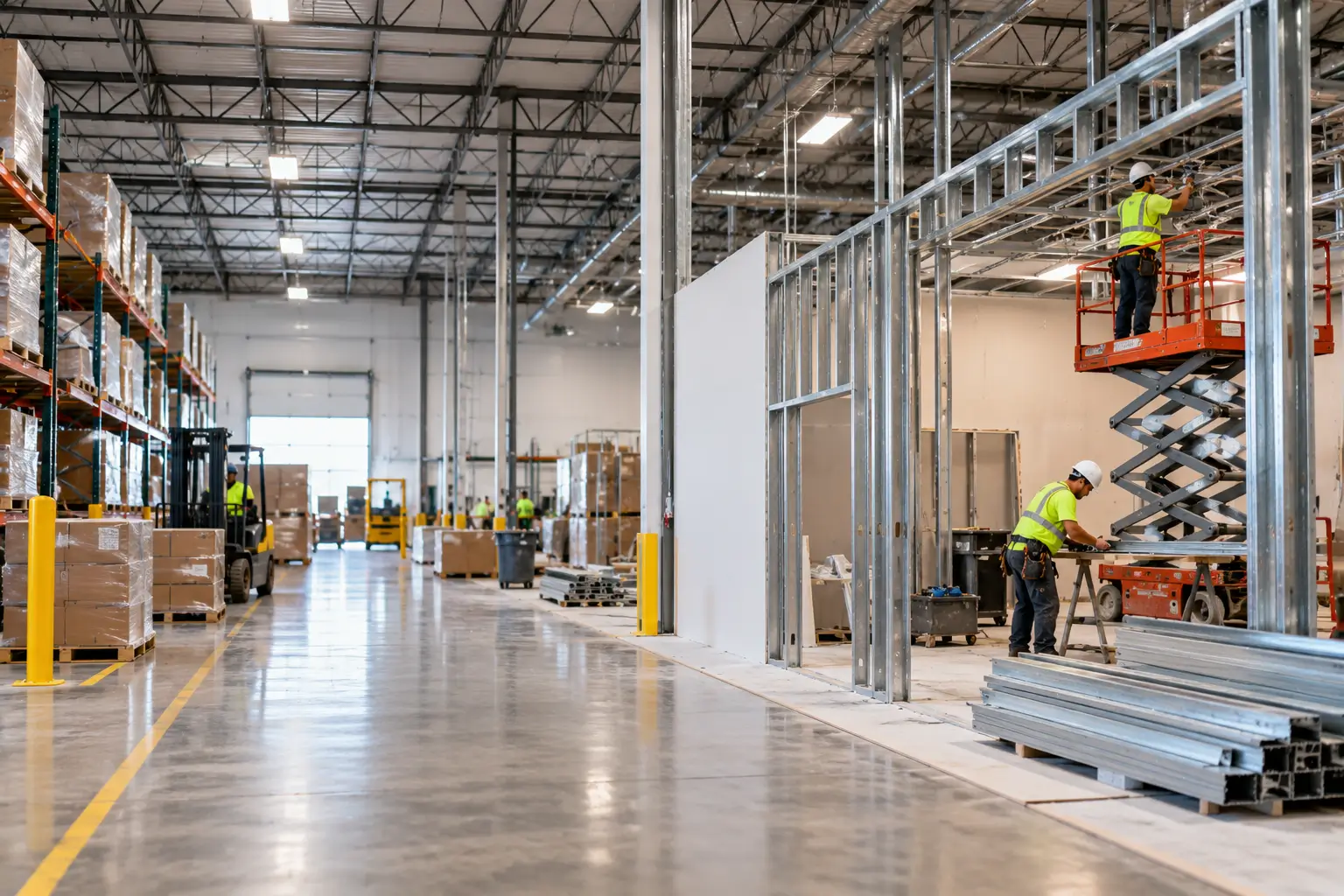
A restaurant, office, or retail space can often be renovated in phases instead of all at once. Phased construction divides the project into controlled work zones so one area can be improved while another remains available for employees or customers.
For example, an office renovation may begin in one department while another department continues normal operations. In a customer-facing environment, work may be sequenced around the areas that are most critical to day-to-day business.
Whether this approach is practical depends on the project scope, building conditions, access requirements, and construction safety requirements. A contractor should evaluate these factors before promising that a business can remain fully open.
2. Timing Matters When the Business Is Still Running
No one wants demolition noise competing with an important client meeting or deliveries blocking the entrance during the busiest part of the day. That is why scheduling is one of the most important parts of an occupied commercial remodel.
Depending on the scope, disruptive work may be scheduled during evenings, weekends, planned shutdowns, or slower operating periods. A well-organized commercial general contractor can coordinate subcontractors, inspections, deliveries, and work zones around operational priorities.
The objective is not just to finish the project. It is to create a construction plan that protects the schedule of the business while keeping the renovation moving forward.
3. Keep Dust and Work Zones Under Control
Construction can be messy, but occupied areas should not feel like uncontrolled demolition zones. Temporary barriers, designated construction access, careful material handling, and dust-control measures can help separate active work from occupied spaces.
When work involves materials that can create respirable silica dust, OSHA identifies engineering and work-practice controls that may be required to limit worker exposure. The exact controls depend on the task and site conditions, so they should be addressed in the project safety plan.
Good site management also considers how workers, customers, employees, tools, debris, and deliveries will move through the property without creating unnecessary conflicts.
4. Communication Is a Core Construction Tool
A business can tolerate planned disruption much more easily than unexpected disruption. Owners and managers should know when work will occur, which areas may be temporarily unavailable, when utilities could be affected, and what changes are coming next.
Regular communication between the contractor and business team helps everyone prepare for construction milestones before they affect operations. It also gives the project team a chance to adjust sequencing when business needs change.
For leased or occupied commercial spaces, an experienced tenant improvement contractor can help coordinate interior changes while keeping the needs of the tenant, property owner, trades, and inspectors aligned.
5. The Goal Is a Better Space With Less Operational Disruption
The finished result should do more than look new. A successful remodel can improve functionality, workflow, customer experience, employee comfort, and the way the space supports the business.
That may mean reworking an office layout, updating a storefront, improving a production area, or modernizing a warehouse. Businesses planning larger facility changes can also review completed commercial construction projects to see the range of spaces and project types that can be addressed.
In the right circumstances, the renovation can be phased so the company does not have to close for the entire project. The key is deciding early which operations must remain active and designing the construction sequence around those priorities.
Ready to Renovate Without Putting Business on Hold?
Greater Pacific Construction provides commercial remodeling and tenant improvements for businesses across Orange County and surrounding areas. The team also handles warehouse improvements and industrial construction for facilities with more specialized operational needs.
Every occupied renovation has its own constraints, so planning should begin with the actual business schedule, safety requirements, site conditions, and project scope.
Contact Greater Pacific Construction to discuss your next commercial renovation project and a construction approach designed around your operational needs.